
December 19, 2014
Yesterday was the second and final day for members of the South Carolina House to prefile legislation for the 2015-16 legislative session, and one of the most interesting bills came from Representative Joshua Putnam (R – Dist 10 – Anderson, Greenville, and Pickens Counties — @RepJoshuaPutnam on Twitter).
When an elected or appointed official gets in trouble for not filing ethics paperwork correctly, more often than not, it’s an unintentional mistake. Sure. There are plenty of jokes we could all make, but the truth is that when it comes to campaign disclosures, statements of economic interest, filing deadlines, contribution limits, reporting requirements, or any number of other things required in the name of disclosure and transparency, many candidates and elected and appointed officials have NO CLUE what the actual rules are.
“Why? Shouldn’t they know? After all, they represent the people,” you may be saying quietly in your head. In theory, yes. They should know. The problem is that nobody is required to train them, and they aren’t required to be trained.
After candidates get elected or board members get appointed, they may attend a meeting where someone gives them a crash-course in financial reporting and filing, but there are a few problems with that.
First, that crash course is quick. It may cover more about parliamentary procedure and where the bathrooms are rather than how to follow ever-changing ethics rules.
Second, we just said it. The ethics rules are ever-changing. They’re tough to keep up with, and when your specialty is one area, you aren’t focused on another.
When people innocently ask us about the status of a bill they’re interested in or a local ordinance that’s being considered somewhere, they assume that because part of our business involves advocacy and lobbying, we automatically know what they’re asking us about. When we reply, “We don’t know,” they often look back and ask, “Why? Don’t you lobby?” Yes, but we pay attention to the issues that affect our advocacy clients. If a potential law would change hog farming regulations, we don’t focus on it unless the Palmetto State Hog Farming Coalition or another interested party hires us to do it.
It’s no different with public officials. They focus on the things they’re appointed or elected to focus on, so it becomes easy for those officials not to know about changing ethics laws.
Third, those ethics crash courses aren’t taught by the agency that administers the policies.
Information may come from friendly advice of a long-serving official or a professional association, but the information that’s given and received may be wrong from the beginning.
Again, most ethics mistakes aren’t intentional, but if someone was taught by someone who was taught by someone who was taught by…well, you get the picture. If incorrect information is passed generationally, the new kids on the block have no idea that they’re getting bad information. Neither do the people who passed on that information. It doesn’t matter, though. As we all know, “Ignorance of the law is no excuse,” even when it actually is a legitimate excuse.
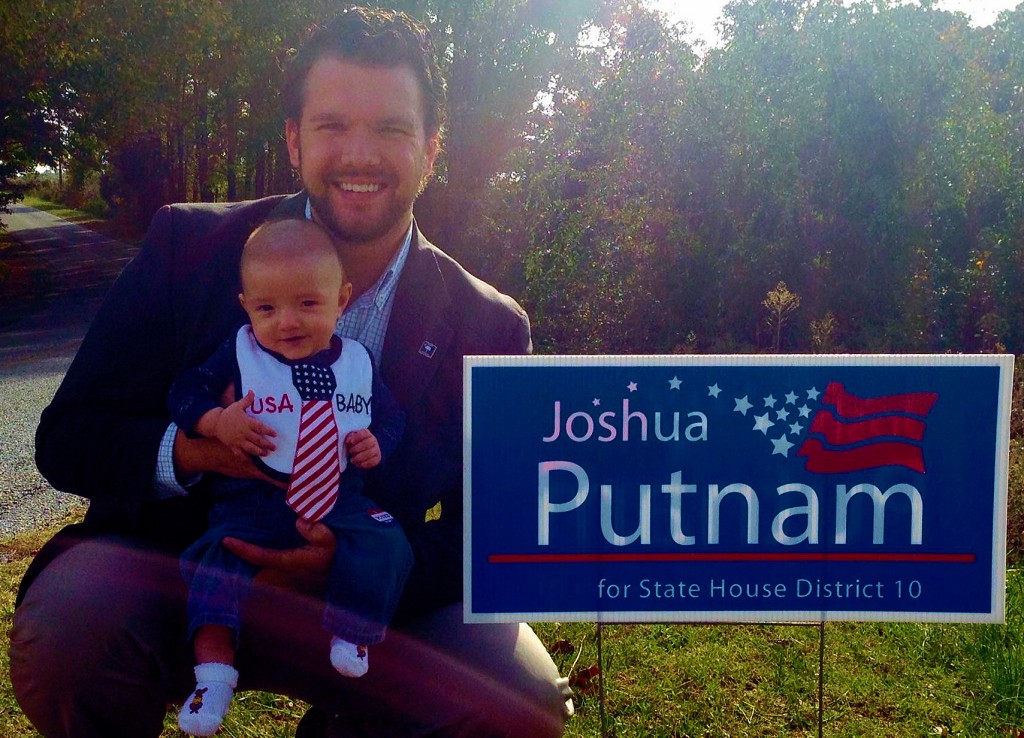 So, what’s Representative Putnam doing about it? Well, he prefiled H.3237 which, on its face, seems like a good idea.
Under the provisions of H.3237 if it’s enacted:
- Within 90 days after being first elected to a public office, an official must complete at least four hours of ethics instruction provided by the State Ethics Commission.
- If reelected, officials who already received instruction have 90 days to complete two additional hours of instruction provided by the State Ethics Commission.
- The public official’s office can pay the cost of the required ethics course, and officials who don’t take the course would be fined.
- Members of the House and Senate (either newly elected or reelected) also have to complete the course, but the instruction can be provided by each chamber’s Ethics Committee instead of the State Ethics Commission, and officials who don’t complete the ethics instruction would be fined.
It’s really that simple. Rep. Putnam’s bill just says that elected officials should be taught about ethics laws that impact them by the people who administer and enforce them.
Think about professions that already require additional training.
Attorneys, doctors, law enforcement officials, fire fighters, cosmetologists, and others receive “continuing education” on an ongoing basis to learn about new things that can or may impact the way they do business.
What Rep. Putnam is doing with H.3237 simply acknowledges that elected officials also need to know about changing situations that impact the way they do business.
Providing a way for state and local elected officials to train with new information that helps them not violate changing laws? Considering our work with a number of local government entities, we want to make sure they stay out of trouble and think this is a train that everybody should catch. All aboard!
While the legislation only addresses elected officials currently, we expect it to evolve to also include appointed members of governing bodies (e.g. Special Purpose Districts).
What do you think? Should elected and appointed officials be required to receive training on the ethics laws that affect them by the agency that administers and enforces them? Let us know HERE. We’d like to know your thoughts.
